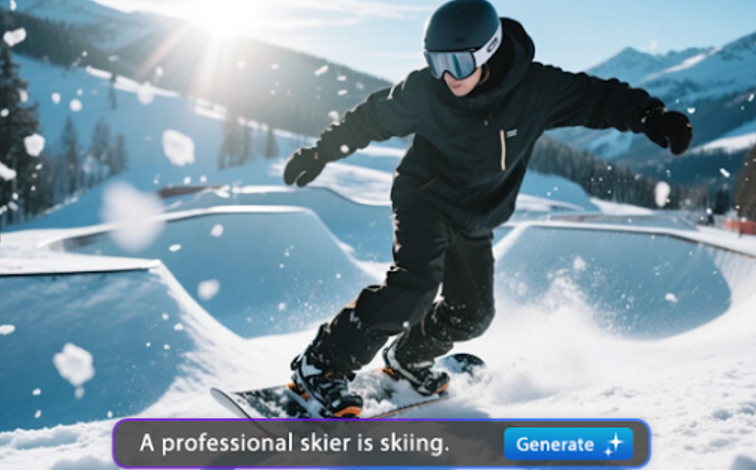
In recent years, AI image generator have become one of the most exciting innovations in the digital world. These tools use advanced artificial intelligence models, particularly deep learning and generative adversarial networks (GANs), to create realistic images from text prompts, sketches, or even simple concepts. From producing lifelike portraits to generating surreal artwork, AI image generators are reshaping how we think about creativity, design, and content creation.
How AI Image Generators Work
At the core of an AI image generator lies machine learning models trained on millions of images. The AI learns patterns, textures, colors, and styles to understand how different objects look. When a user provides input—such as a description like “a sunset over snowy mountains with a futuristic city in the background”—the AI interprets the text and generates a unique image that matches the prompt.
Some of the most well-known models include DALL·E, MidJourney, and Stable Diffusion, each offering a slightly different style and level of customization. These systems rely on natural language processing (NLP) to understand prompts and computer vision to replicate visual elements realistically.
Applications of AI Image Generators
AI-generated images are being used across multiple industries:
- Art and Design – Artists use AI tools to experiment with new styles or generate inspiration for their projects. Designers can quickly create mockups, concept art, and unique visuals without starting from scratch.
- Marketing and Advertising – Businesses are turning to AI-generated graphics for social media posts, advertisements, and product campaigns. Instead of hiring large teams for visuals, companies can produce high-quality content within minutes.
- Gaming and Entertainment – Video game developers and film studios leverage AI-generated environments, characters, and textures to save time and push creative boundaries.
- Education and Research – Teachers and researchers use AI visuals for illustrations, infographics, and study material, making learning more engaging.
- Personal Use – From creating avatars to designing wallpapers, many individuals enjoy AI image generators for fun and personal creativity.
Advantages of AI Image Generators
- Speed: What once took hours of design can now be done in seconds.
- Cost-Effective: Reduces the need for expensive design software or hiring professionals for basic visuals.
- Accessibility: Anyone, regardless of artistic skill, can create high-quality images.
- Limitless Creativity: Users can experiment with surreal and imaginative ideas that might be impossible to draw manually.
Text-to-Image AI: Turning Words into Visual Creations
The world of artificial intelligence is rapidly changing how people create and interact with digital content. One of the most fascinating innovations is text-to-image generation, a process where AI tools transform written descriptions into stunning visual outputs. From professional designers to casual users, this technology has opened doors to creativity that were once unimaginable.
What is Text-to-Image?
Text-to-image AI refers to systems that can generate realistic or artistic images based on natural language input. For example, typing “a futuristic city floating above the ocean at sunset” can produce a detailed, unique illustration in seconds. These tools rely on advanced machine learning models, particularly diffusion models and generative adversarial networks (GANs), which have been trained on massive datasets of images paired with text descriptions.
Some of the most well-known text-to-image tools include DALL·E, Stable Diffusion, and MidJourney. Each platform interprets language prompts differently, allowing users to create diverse artistic styles, from hyper-realistic photos to abstract art.
- Personal Creativity: Everyday users generate avatars, wallpapers, or fun images just by typing prompts.
See also: The Evolution of Desktop Messaging: From WhatsApp Web to Telegram
Benefits of Text-to-Image AI
- Accessibility: Even those with no artistic skills can create professional-looking visuals.
- Speed: Produces images in seconds, compared to hours of manual design.
- Cost-Effective: Reduces reliance on expensive design software or external services.
- Unlimited Creativity: Users can experiment with imaginative and surreal prompts that might be difficult to illustrate by hand.
Challenges and Ethical Concerns
Despite its benefits, text-to-image AI raises important concerns. One issue is copyright, as AI models are often trained on existing artworks without explicit permission from creators. Another challenge is misuse, where the technology could generate misleading or harmful visuals. Ensuring responsible and ethical use is crucial as the technology continues to evolve.
The Future of Text-to-Image
Looking ahead, text-to-image tools are likely to integrate with 3D modeling, virtual reality (VR), and augmented reality (AR), allowing users to create immersive worlds from simple descriptions. As models become smarter, the quality and realism of generated visuals will continue to improve, making them an essential tool for artists, businesses, and everyday creators.
Conclusion
Text-to-image AI represents a revolutionary leap in digital creativity. By transforming words into visuals, it bridges the gap between imagination and reality, enabling anyone to become a creator. While ethical challenges remain, the technology’s potential is limitless, and its role in shaping the future of art, media, and design is undeniable.